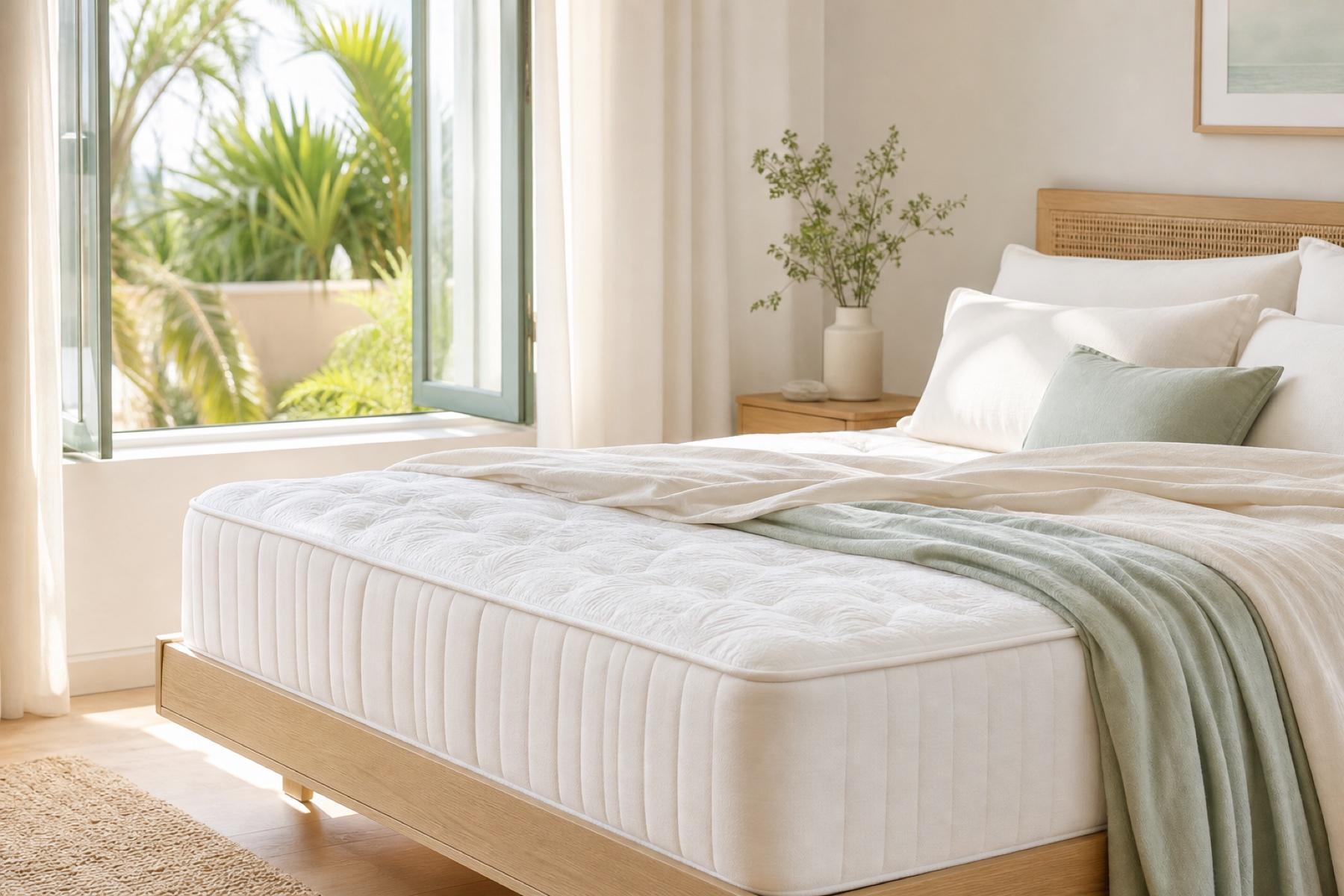
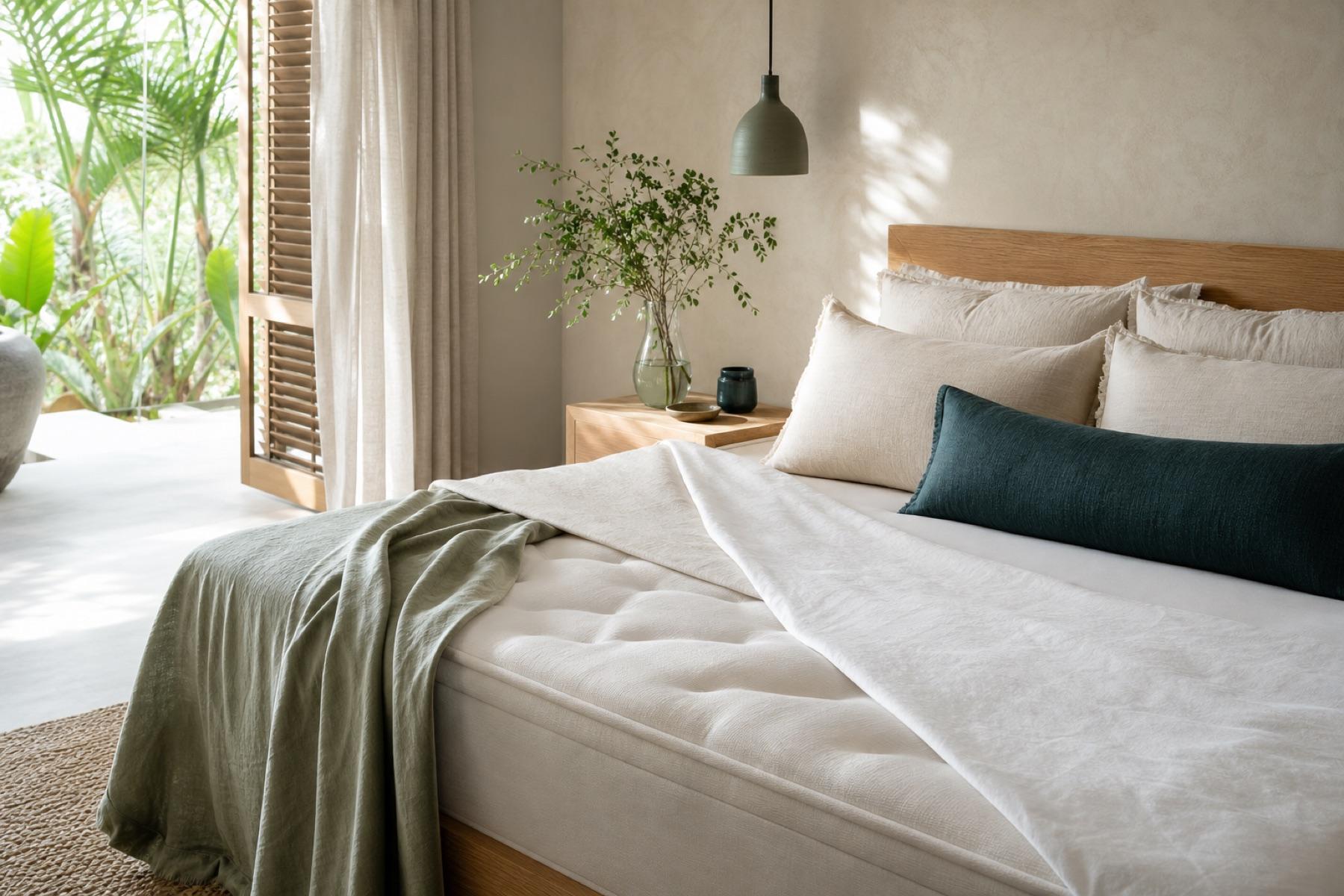
Most of us spend close to a third of our lives in bed. During that time, a mattress is exposed to perspiration, body oils, shed skin cells, household dust and the occasional spill. Fresh linen creates a clean surface, but it cannot prevent everything from moving through to the layers below.
What builds up over time
A mattress can look perfectly clean while holding fine material within its fabric, seams and upper layers. This gradual build-up is normal and is not a reflection of poor housekeeping. It is simply what happens to a surface used for hours, every night, in a warm bedroom.
- Household dust and airborne particles
- Shed skin cells and body oils
- Perspiration and everyday moisture
- Pet hair and dander in homes where animals share the bed
- Dust mites and their allergen particles
A fresher place to rest
Mattress care is part of looking after a bedroom. Follow the mattress manufacturer’s instructions and discuss any cleaning requirements with the service provider.
This article does not promise allergy relief or a medical benefit from a cleaning service. Seek advice from a healthcare professional about allergy symptoms.
Looking after the mattress itself
A good mattress is an investment. Allowing moisture, oils and fine debris to remain can affect how the outer fabric looks and feels over time. Thoughtful maintenance helps protect the surface and gives you an opportunity to notice marks, damaged seams or areas that need attention before they become bigger problems.
Mattress cleaning is most effective as part of a rhythm—not only when a stain becomes visible.
How often should a mattress be cleaned?
Cleaning requirements vary with the mattress and its use. Follow its manufacturer’s guidance and discuss your requirements with Harry before agreeing to a service.
Between professional cleans, use a washable mattress protector, wash bed linen regularly, ventilate the room and follow the mattress manufacturer’s instructions for rotation and care. Small habits, repeated consistently, do most of the everyday work.
This article offers general home-care information and is not a substitute for professional medical advice.